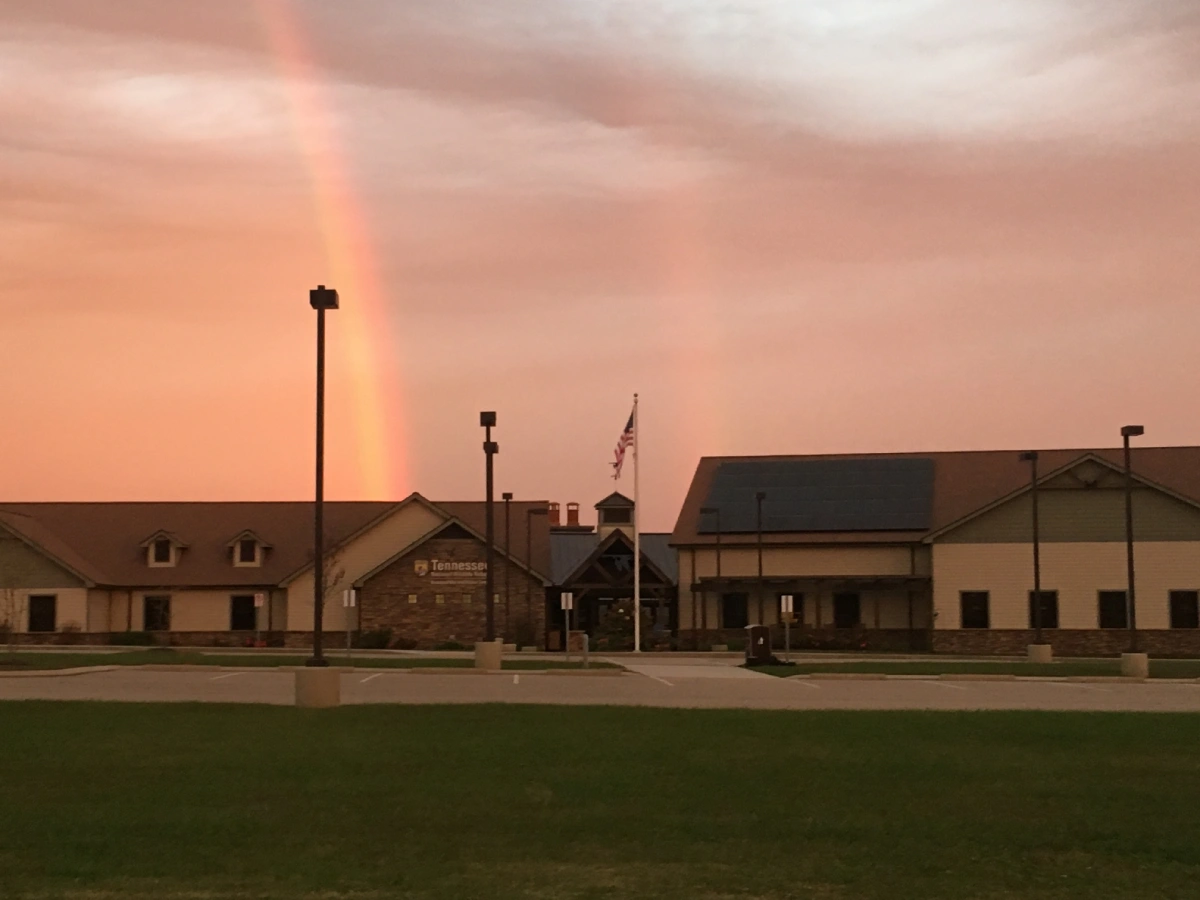
Visitor Center
The Visitor Center is an excellent starting point for your visit, offering helpful information, educational exhibits, and a welcoming introduction to the refuge's wildlife and history.
Visitor Center Hours
Closed on all federal holidays
Blue Heron Bookstore
Located inside the Visitor Center, the Blue Heron Bookstore opens at 10:00 AM. Proceeds support refuge programs and Friends Group initiatives.
Refuge Hours
The refuge is open daily from sunrise to sunset.
Scenic Drives
The refuge offers several scenic drives that highlight wildlife, history, and diverse habitats.
Blue Goose Boulevard Auto Tour
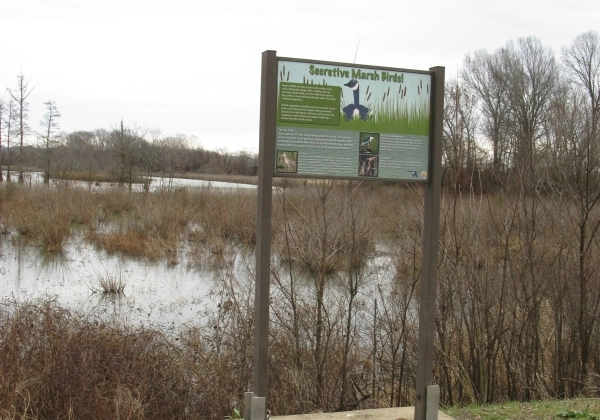
This three-mile auto tour is located in the Duck River Bottoms at 550 Refuge Lane, New Johnsonville, TN. Interpretive signs highlight wetland habitats, associated wildlife, and refuge management practices.
Seasonally closed Nov. 15 – Mar. 15
Old 23rd Auto Tour
Located in the historic Old 23rd area of the Big Sandy Unit, this self-guided auto tour offers a meaningful look into the human history of the refuge. The route highlights the homesteads and families who once lived on this land before the refuge was established nearly 80 years ago. Interpretive stops share stories of the people who farmed, worked, and built their lives along the Tennessee River.
Today, the drive provides a quiet, scenic route through woodlands, fields, and shoreline areas of the Big Sandy Peninsula, blending cultural history with wildlife viewing.
Hiking
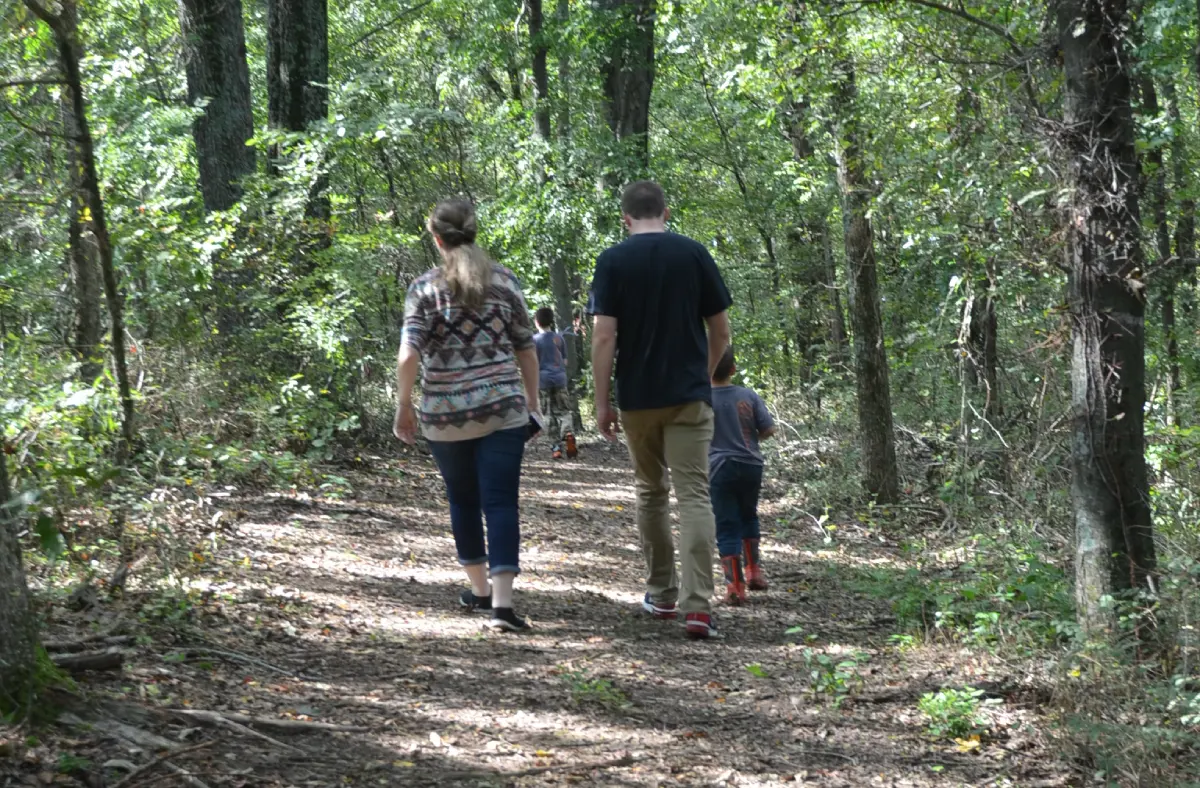
The refuge offers three woodland trails, all located in the Big Sandy Unit, with easy to moderate difficulty.
Nature Discovery Trail
Adjacent to the Visitor Center; includes "Animal Olympics" activity stations.
Seasonally closed Nov. 15 – Mar. 15Britton Ford Trail
Near the Visitor Center; features interpretive signs on tree identification.
Seasonally closed Nov. 15 – Mar. 15Chickasaw National Recreation Trail
Located on the Big Sandy Peninsula.
Open year-roundBirding
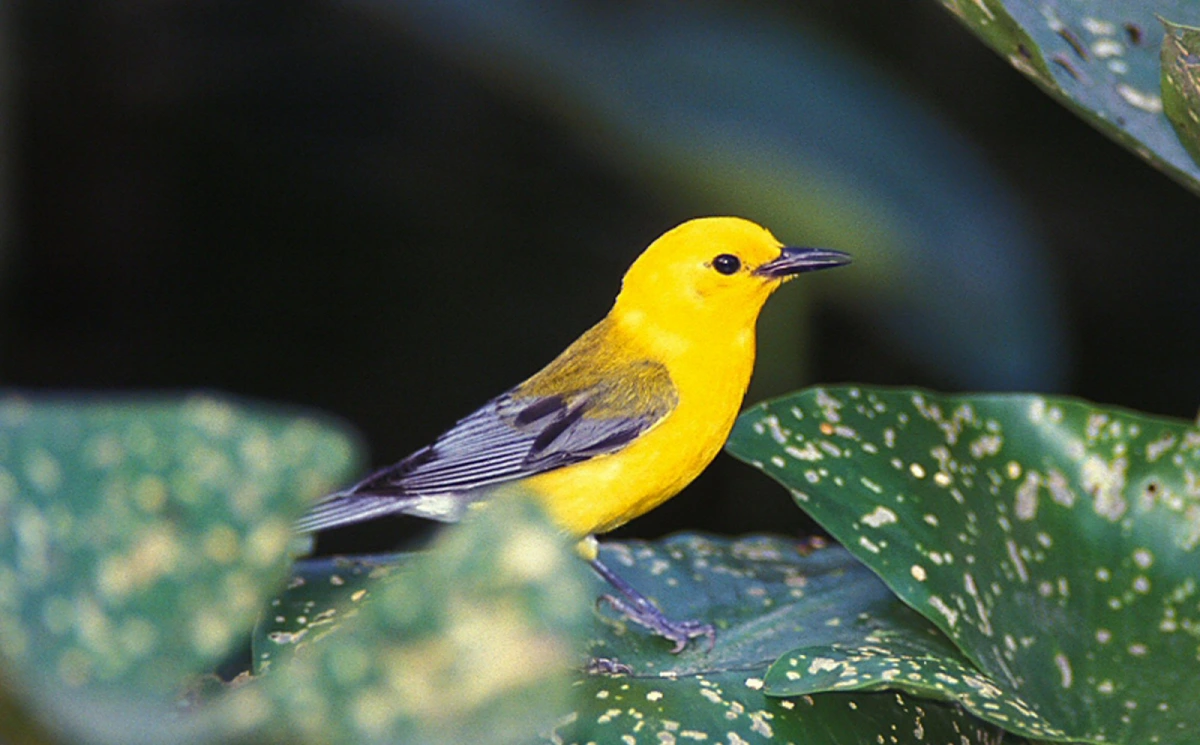
With more than 316 species of birds, the refuge is a premier destination for birdwatching. Observation areas include:
- V.L. Childs Observation Deck — near the Visitor Center
- Bennett's Creek Overlook — Big Sandy Peninsula
- Duck River Bottoms Overlook — Highway 191
- Pintail Point Birding Blind — Duck River Bottoms
Some areas are seasonally closed Nov. 15 – Mar. 15 to provide sanctuary for wintering wildlife.
Biking
Biking is allowed only on roads open to public vehicles. Biking is not permitted on trails, levees, or off-road. Some refuge roads are seasonally closed Nov. 15 – Mar. 15.
Canoeing, Kayaking & Boating
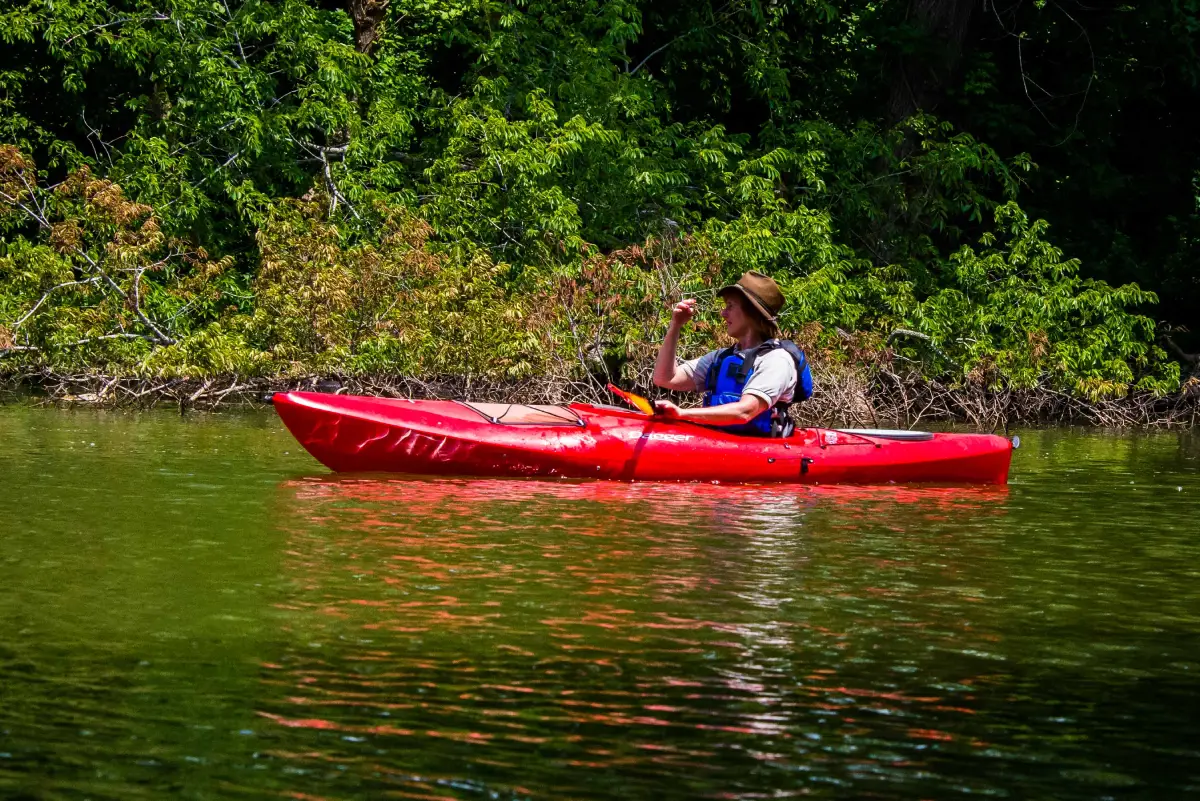
With half of the refuge covered in water, paddlers and boaters have abundant opportunities to explore:
- 23 boat ramps provide access to Kentucky Lake and refuge impoundments.
- Canoeing and kayaking are popular in quiet bays and along shoreline areas.
- Motorized boats are permitted on all refuge waters.
- Seasonal closures apply to refuge impoundments and some bays from Nov. 15 – Mar. 15.
For regional paddling routes, see the Land Between the Lakes Water Trails.
Hunting & Fishing
Hunting and fishing are permitted in designated areas and seasons, following all state and federal regulations. For details, visit the refuge's official Hunting and Fishing pages.
Know Before You Go
To help protect wildlife and ensure a safe, enjoyable visit:
- Pets must remain on a leash.
- Stay on designated roads, trails, and public areas.
- Drones are not permitted anywhere on the refuge.
- Collecting plants, animals, or artifacts is prohibited.
- Hunting and fishing are allowed only in designated areas and seasons.
- Observe wildlife from a safe distance and avoid disturbing animals or habitats.